
A plain-English guide for NDIS providers, support coordinators and families
What is a nurse practitioner?
A nurse practitioner is a registered nurse with a master’s degree and years of advanced experience, endorsed to work independently. In their field, they can diagnose health problems, order tests, prescribe medicines and refer people to specialists.
Gesond is led by a nurse practitioner, Andriette du Plessis. We work with NDIS providers, support coordinators and families across Perth and regional WA. This guide explains what Andriette can do for you and the people you support. Further down, you’ll find a step-by-step example of a provider welcoming someone new.
Reviewed by Andriette du Plessis, nurse practitioner, November 2026
What a nurse practitioner can do
A nurse practitioner can:
- Examine someone and take their health history
- Diagnose and treat health problems
- Order blood tests, urine tests, X-rays and ultrasounds, and read the results
- Prescribe medicines, and stop ones that are no longer needed
- Refer people to specialists and allied health, such as a speech pathologist or dietitian
Every nurse practitioner works within their own ‘scope of practice’: the areas they’re trained and experienced in. Andriette works in general practice and aged care, as well as with NDIS participants.
How a nurse becomes a nurse practitioner
Every nurse practitioner starts as a registered nurse. They then need three years of advanced practice, or the part-time equivalent, and a master’s degree. Finally, they’re endorsed by the Nursing and Midwifery Board of Australia.
‘Nurse practitioner’ is a title protected by law. You can check anyone using it on the public register of practitioners.
Since November 2024, nurse practitioners can provide Medicare services and write PBS prescriptions without a formal agreement with a doctor. They still work closely with GPs and specialists.
Nurse practitioner, registered nurse or GP: what’s the difference?
Registered nurses do most NDIS nursing, and they do it well. The difference shows when a nurse finds something that needs a diagnosis, a test or a change to a medicine. A registered nurse has to pass it on. A nurse practitioner can examine the person, order the test, or take a clear question straight to their GP.
| What they do | Registered nurse | Nurse practitioner | GP |
|---|---|---|---|
| Training | A nursing degree | A nursing degree, three years of advanced practice, then a master’s degree | A medical degree, then training in general practice |
| Assesses health needs and writes care plans | Yes | Yes | Yes |
| Diagnoses health problems | No | Yes | Yes |
| Orders blood tests and X-rays | Not on their own | Yes | Yes |
| Prescribes medicines | Only with an extra endorsement, working with a doctor or nurse practitioner | Yes | Yes |
| Trains support workers and signs off their skills | Yes | Yes | Not usually |
| Sees patients through Medicare | Not in their own name | Yes | Yes |
| Can be funded by the NDIS | Yes, for disability-related health supports | Yes, for disability-related health supports | No, GP care is funded by Medicare |
A nurse practitioner isn’t a doctor and doesn’t replace one. Andriette works with each person’s GP and specialists, not around them.
What a nurse practitioner can do for an NDIS provider
Do you deliver high intensity supports, like complex bowel care, tube feeding or injections? Then the NDIS Practice Standards expect each person’s health to be reviewed regularly, with their consent, by a qualified health practitioner. They also expect every worker to be trained in that person’s own needs. For medicines, workers must understand what each one does, its side effects, and what to do if something goes wrong.
Big providers have a clinical lead for all of this. If you don’t, that’s the gap Andriette fills.
A second look at every medicine
Andriette reads each medication chart alongside the person’s diagnoses and their swallowing, bowel and seizure plans. If a dose, a tablet type or a timing doesn’t fit, she takes it to the prescriber.
Training built around each person
Your team learns the plans of the person they’ll actually support, not a generic course. Then Andriette assesses every worker, one by one, against the NDIS Commission’s High Intensity Support Skills Descriptors.
Worker training and sign-offSigned records for your audit file
A signed competency record for each worker, each skill and each participant, within five business days of the training.
An assessment and a plan your team can follow
A nursing or continence assessment at home, a written report within seven days of the visit, and a health care plan in plain words.
Assessments and health care plansSomeone keeping watch, month by month
For SIL houses: a monthly review of each resident’s medicines and health care plans, and of every incident and hospital discharge. One fixed fee per house.
Health oversight for SIL housesCare the NDIS doesn’t cover
A new illness, a repeat prescription or a blood test can be handled in a Medicare consultation. It’s kept separate from the person’s NDIS plan.
How the NDIS and Medicare fit togetherHow the NDIS and Medicare fit together
Health care for someone with a disability is paid for in two ways. The NDIS pays for health supports that come from the person’s disability, such as bowel care, tube feeding and staff training. Medicare pays for diagnosing and treating illness.
Most NDIS nurses can only work on the NDIS side. As a nurse practitioner, Andriette can work on both. So the person who trains your staff can also look into a health problem when she finds one.
Through the NDIS
Gesond is a registered NDIS provider (ID 4-KRIQRGN) for community nursing care and high intensity daily personal activities. We work with NDIA-managed, plan-managed and self-managed participants.
- Nursing and continence assessments, with written reports
- Health care plans your support workers can follow
- Training, assessment and supervision of the workers who give health supports
- Nursing care at home, when it’s needed
- Evidence for plan reassessments
Through Medicare
Andriette also sees patients in Medicare consultations, bulk-billed or with a gap fee, depending on the consultation. None of this is charged to anyone’s NDIS plan.
- A new illness or health problem
- Repeat prescriptions
- Blood tests, X-rays and other tests
Your participant’s GP stays their GP. If Andriette finds something the GP should know about, she writes to them.
An example: a SIL provider takes on a new resident
Made-up example
Sam isn’t a real person, but every step is one we follow when a provider welcomes someone new.
A supported independent living (SIL) provider in Perth has a new resident moving in three weeks from now. Sam is 31. He has an acquired brain injury and epilepsy. He takes nine regular medicines, finds tablets hard to swallow, and has an emergency medicine for long seizures.
Sam is moving out of his parents’ home, where his mum has given every dose for years. The house has ten support workers. They’re experienced, but none of them has met Sam.
-
Three weeks before the move
Andriette reads everything first
With Sam’s consent, the provider sends his medication chart, seizure plan, mealtime plan and hospital letters. Andriette reads them side by side. Then she phones Sam’s mum to ask how each medicine is really given at home.
-
The medication review
Three things that had slipped through
- One tablet is a slow-release type, and at home it has been crushed into yoghurt. Crushing a slow-release tablet can release the whole dose at once.
- The seizure plan and the medication chart give different instructions for the emergency medicine. The plan was last signed three years ago.
- A ‘when needed’ medicine has no maximum dose written down, and nothing to say what it’s for.
Sam’s GP prescribes his medicines, so these aren’t Andriette’s to change. She writes to the GP and the pharmacist, with one clear question about each. Before Sam moves in, the GP changes the tablet to one that’s safe to give. The GP also signs a new seizure plan and fills in the gaps on the chart.
-
Induction day
Training built around Sam
Andriette runs one session at the house, using Sam’s own plans. The team learns what each medicine is for and what to watch for, and what Sam’s seizures usually look like. They learn when to give the emergency medicine, and when to call 000. Then each worker shows Andriette the skills on their own and answers her questions.
-
Within five business days
Signed records arrive
The provider receives a signed competency record for each worker, naming the skill, the participant and the date. A training register comes with them for the audit file. Two workers who missed the day have a catch-up session before they give Sam any medicines.
-
Every month after that
Someone keeps watch
Each month, Andriette reviews Sam’s medicines and plans, and reads every incident report. In month two, the records show most of his seizures happen in the evening, so she sends them to his GP. In month four, Sam comes home from hospital with two new medicines. Andriette checks the discharge list against his chart. Then she tells the team what’s changed and whether anyone needs a refresher.
Sam’s GP is still his GP, and the provider still runs the house. The difference is that a clinician now looks at the whole picture every month, and the provider has the records to prove it.
Monthly health oversight for SIL houses
Oversight is one fixed monthly fee per house. It suits providers who support people with complex health needs, but don’t have a clinical lead. It gives your clinical governance a nurse practitioner, without hiring one.
Every month, for each house
- A medication review for each resident
- A check that every health care plan is up to date and being followed
- A review of every incident and hospital discharge since the last visit
- Supervision of the health tasks your support workers carry out
- A clinician to call, Monday to Friday, 9 am to 5 pm
This isn’t an emergency or after-hours service. In an emergency, call 000.
Meet Gesond’s nurse practitioner
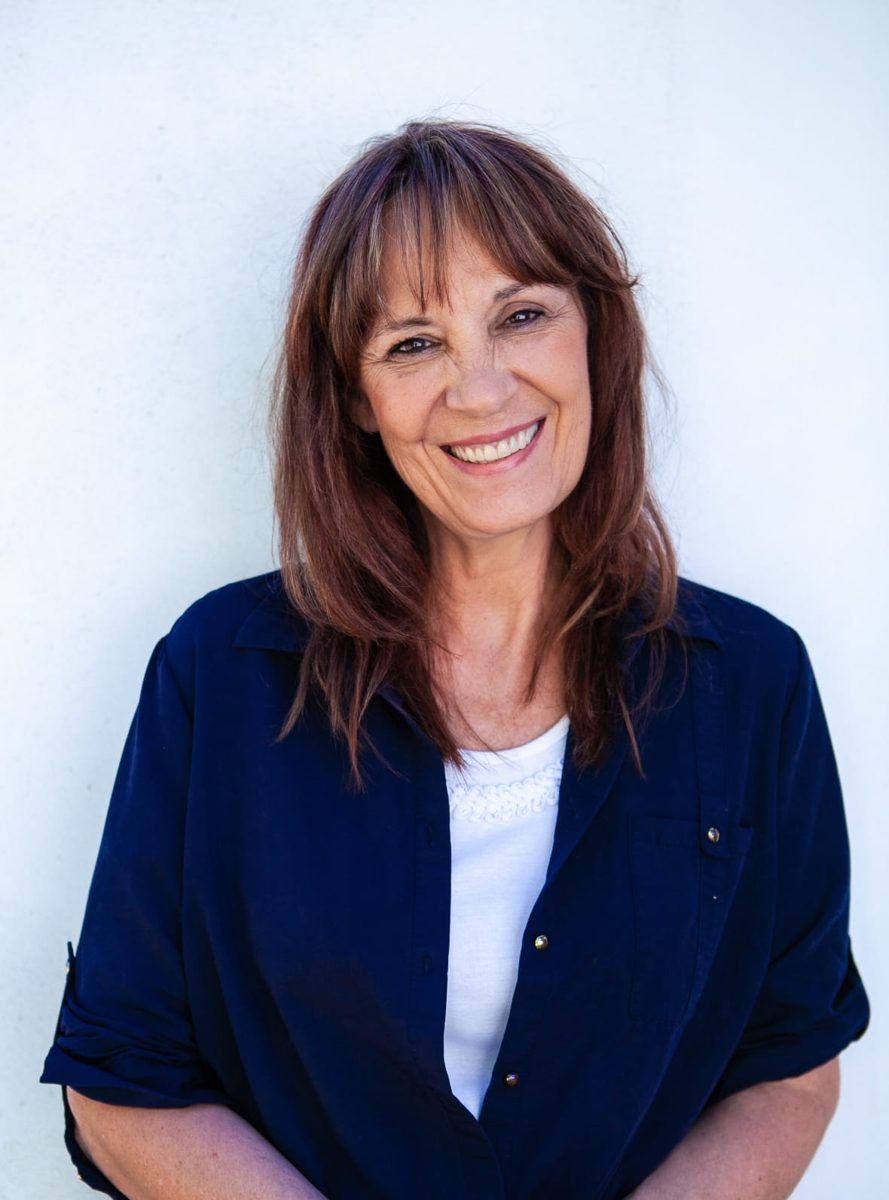
Andriette du Plessis
Founder and nurse practitioner
Andriette has been nursing for more than 40 years, including intensive care, emergency, rural and remote health, and Aboriginal health care. She completed her Master of Nursing (Nurse Practitioner) at Flinders University, and has been an endorsed nurse practitioner since 2013.
Alongside Gesond, she works in general practice and aged care. She assesses pharmacy students’ clinical skills for the University of Western Australia. She has also mentored nurses through their training to become nurse practitioners. She personally assesses every participant Gesond takes on.
Common questions
Can’t see your question? Call (08) 6326 7009 or email hello@gesond.health.
- Is a nurse practitioner a doctor?
- No. A nurse practitioner is a nurse with advanced training who can diagnose, prescribe and refer. Andriette works alongside each person’s GP and specialists, and doesn’t replace them.
- What’s the difference between a nurse practitioner and a registered nurse?
- A nurse practitioner is a registered nurse who has gone on to a master’s degree and years of advanced practice. That training lets them diagnose, order tests and prescribe. A registered nurse assesses, plans and gives care, but can’t diagnose, and in most cases can’t prescribe.
- Can a nurse practitioner prescribe medication?
- Yes, including many medicines on the PBS. At Gesond, prescribing happens in a Medicare consultation, never through an NDIS plan. If the person has a regular GP, changes to their usual medicines stay with the GP. Andriette sends her findings to the GP in writing.
- Can a nurse practitioner review an NDIS participant’s medicines?
- Yes. Andriette checks the medication chart against the person’s diagnoses and health plans, and against how each medicine is actually given. Anything that needs changing goes to the prescriber in writing. For SIL houses, this can be part of monthly oversight.
- Can a nurse practitioner train support workers and sign off their competencies?
- Yes. NDIS guidelines describe a nurse assessing the person, writing the care plan, and training and supervising the support workers. One thing to know: Gesond isn’t a registered training organisation, so this isn’t a nationally accredited course. It’s training and assessment in a participant’s own needs, by a nurse practitioner. Each record follows the NDIS Commission’s High Intensity Support Skills Descriptors.
- Does the NDIS pay for a nurse practitioner?
- Yes, when the need comes from the person’s disability. In the NDIS Pricing Schedule, look for ‘Delivery of Health Supports by a Nurse Practitioner’, for example support items 01_624_0114_1_1 and 15_424_0114_1_3. Because Gesond is a registered provider, NDIA-managed, plan-managed and self-managed participants can all use their funding with us. Disability-related health supports weren’t affected by the budget changes that began on 1 October 2026.
- How is work for our organisation billed?
- Worker training is a fixed fee per worker, per skill. Health oversight for a SIL house is a fixed monthly fee per house. Both are invoiced to your organisation, and you’ll always get a written quote first. Sometimes training can be claimed through a participant’s plan instead, if their plan funds it.
- Does a participant need a GP referral?
- No. A provider, support coordinator, family member or the person themselves can refer directly, with the person’s consent. It helps to send their current plans and medication chart.
- How is this different from a Home Medicines Review?
- A Home Medicines Review is done by a specially trained pharmacist, usually arranged through the person’s GP. It’s well worth asking the GP about. Monthly oversight is different: every month, Andriette looks at the medicines together with the person’s health care plans, support records and incidents. The two work well side by side.
- Do you work outside Perth?
- Yes. We visit homes and SIL houses across Perth metro. In regional WA, we come in scheduled visit blocks with telehealth in between, starting with Geraldton and Kalgoorlie–Boulder. Read how regional care works.
- How soon can you start?
- We’ll call you back within three business days. If someone new is moving in, tell us the date and we’ll plan back from it.
Taking on a new participant?
Tell us when they’re moving in and what their health needs are. We’ll call you back within three business days.
Sources
- Nursing and Midwifery Board of Australia: Endorsement as a nurse practitioner
- Australian Government: About nurses and midwives
- WA Department of Health: Nurse practitioners in Western Australia
- Australian Government: Collaborative arrangements
- NDIS Commission: High intensity daily personal activities
- NDIS Commission: Provision of supports environment
- NDIS: Disability-related health supports
- Australian Government: Funding changes for NDIS supports